Airbnb Just Banned the Checkout Chore List: Before vs. After the Nov 20 House Rules Change
Airbnb's own example: guests shouldn't be asked to wash and put away dishes, but can be asked to put them in the sink. Here's everything that changes on November 20 — and why reviews are the next battleground.
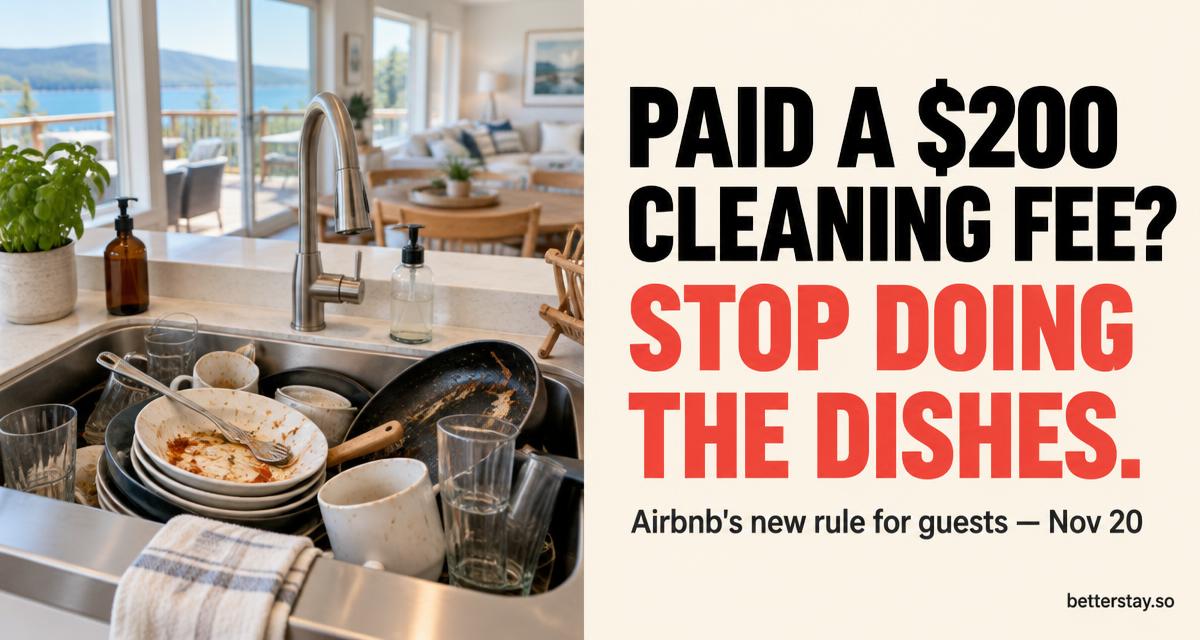
Short version: starting November 20, 2026, Airbnb hosts can no longer turn checkout into a cleaning shift. House rules shrink to 7 standard options, everything else becomes a “request” that has to be reasonable, and off-platform contracts are mostly banned. Airbnb's own example says it all: guests shouldn't be asked to wash and put away dishes — but hosts can ask them to put used dishes in the sink.
That one sentence is the most interesting thing Airbnb has written in years, because it's an admission. For three years the most shared complaint about Airbnb wasn't price — it was paying a cleaning fee and then being handed a chore list. Here's what actually changed, and the catch that the announcement doesn't answer.
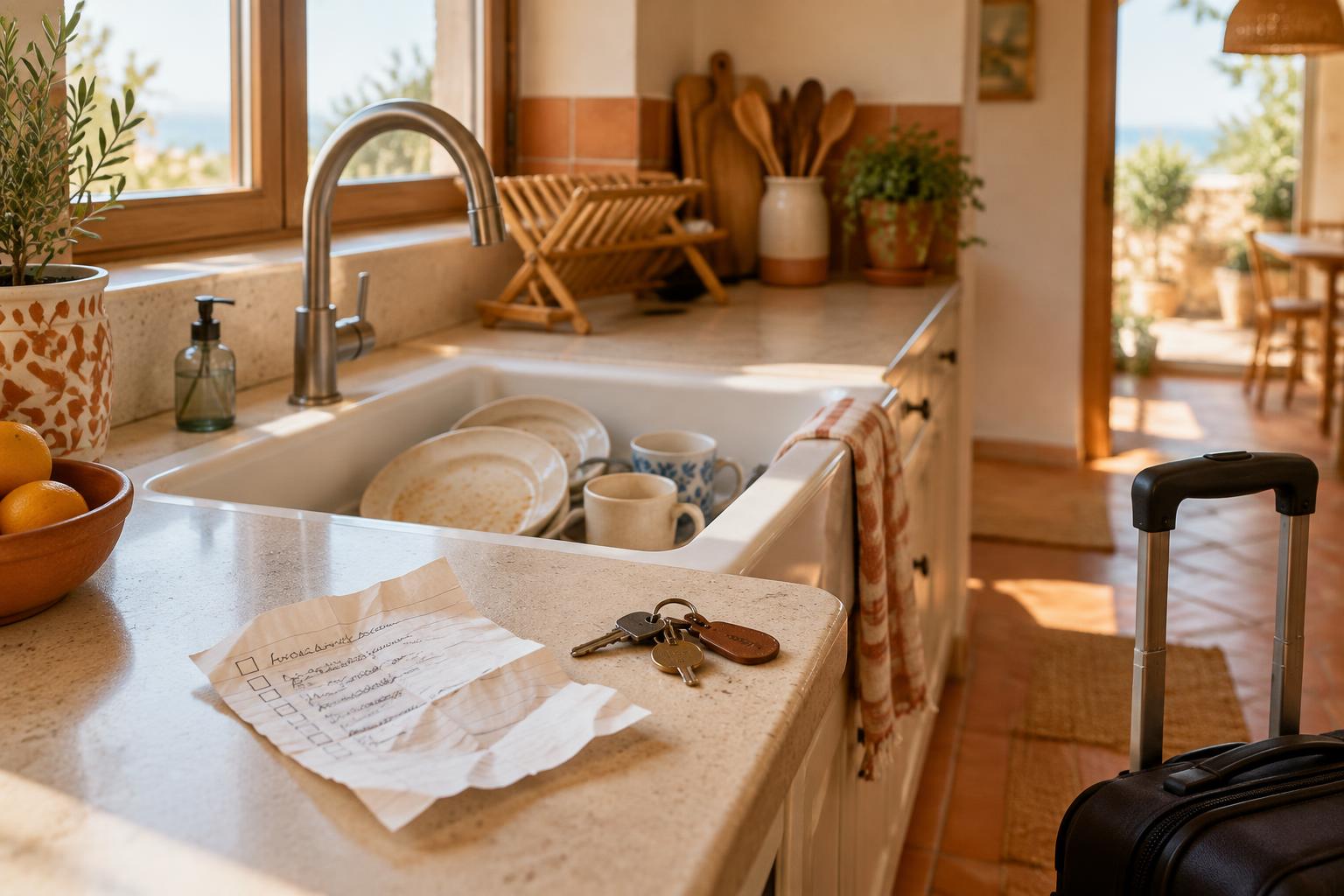
Before vs. after, at a glance
Airbnb house rules
Before vs. after Nov 20, 2026
What Airbnb actually announced
In the email sent to hosts on October 21, 2026, Airbnb said:
“You can add requests for your home, as long as they're reasonable under the new policy. For example, guests shouldn't be asked to wash and put away dishes, but you can ask them to put used dishes in the sink.”
The changes break down into four parts:
1. Seven standard house rules
Hosts pick from 7 standard rules in the listing editor. Two are new: maximum number of overnight guests and lock up at checkout. Any other checkout instruction moves to Requests.
2. “Requests” with a reasonableness test
Requests are allowed, but only if they're reasonable under the new policy. If a request doesn't follow it, Airbnb says it will give the host tips to fix it.
3. Contracts only in limited cases
Extra contracts are allowed only in limited circumstances — for example where the law requires it, homeowners-association rules, or rental agreements for monthly stays. The “please sign this PDF before arrival” email should become rare.
4. Rules shown where guests actually look
House rules now appear more prominently on the listing, in the guest's Trips tab, and in reservation reminders — so there's less room for the note on the fridge you only find at 10:45am.
How much work does this remove?
Example strict-host checkout list
- ✕Wash, dry, put away dishes
- ✕Strip every bed
- ✕Start a laundry load
- ✕Take bins out to the street
- ✕Sign an off-platform contract
- ✓Put used dishes in the sink
- ✓Lock up at checkout
The catch: a request is not a rule — but reviews still are
Here's the open question. If something is only a “request”, what happens when a guest skips it? Airbnb's announcement doesn't say whether hosts can still mark a guest down in their review for ignoring a request. Until that's clear, expect the chore fight to move from the house-rules page into the review system.
Two other things the announcement doesn't touch: cleaning fees (nothing changes about how much hosts can charge) and price. Fewer chores make Airbnb compare better to hotels, but the total you pay is still the number to watch.
What this means if you're booking
- Read the 7 rules before you book. They'll be on the listing page, so the surprises should end there.
- Treat long checkout lists as a signal. After November 20, a host still demanding a full clean is ignoring the policy — you can report it.
- Don't sign side contracts unless it's a monthly stay, a legal requirement, or building rules.
- Compare the total, not the nightly rate. Our service-fee breakdown explains why.
Our take
This is Airbnb closing the biggest gap with hotels that wasn't about money. The homes that win next year are the ones that feel simple: clear rules, a fair total, no homework. And if the home you want is already booked for your dates, you don't need to settle — BetterStay watches your Airbnb search and emails you when something opens up. Set a free alert.
Stop refreshing Airbnb.
Paste a search URL. We'll email you the moment a cancellation or new listing matches your dates. Two watches, free forever.
Start a free watch