Hochatown's Airbnb Lawsuit: What it Means for Travelers and How BetterStay Can Help
Short answer: yes, Airbnb is still usable after the Hochatown lawsuit and the wave of similar cases — but the risk you're now underwriting isn't just a bad review, it's a listing getting delisted, fined, or ordered offline mid-trip. Here's how to read the case, and the specific checks that keep you out of the crossfire.
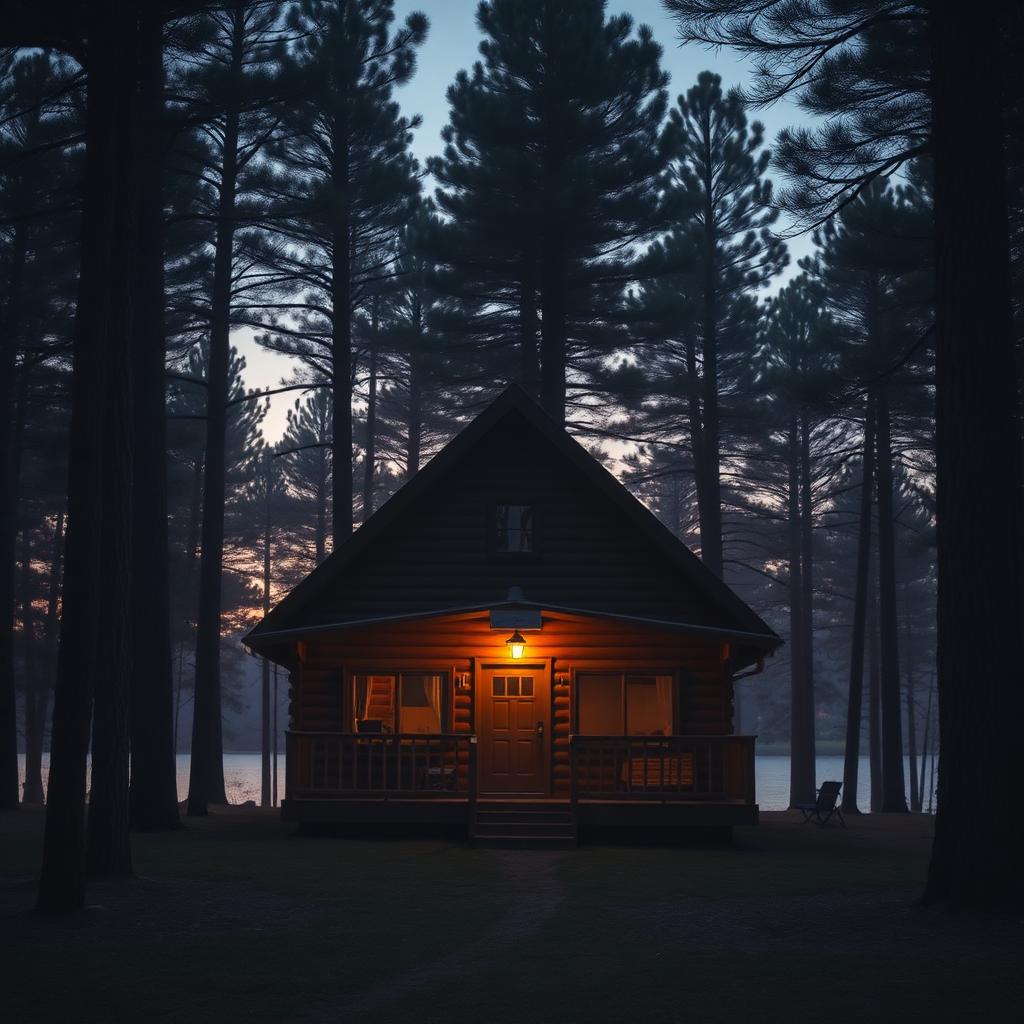
Short answer: Airbnb is still worth using after the Hochatown lawsuit and the growing wave of similar cases — but the risk profile has quietly changed. What you're underwriting when you book now isn't just a messy host or a bad review, it's the chance that the listing itself is unpermitted, gets ordered offline by the town, or has its tax status untangled in court two days before your check-in. If you know what to look for, the odds of getting caught in that mess are small. If you don't, and you keep booking the cheapest cabin in a market with active enforcement, you're basically flipping a coin.
This post breaks down what the Hochatown case is actually about, why it matters for travelers (not just hosts), and the specific checks you should run before you press Reserve on any short-term rental in a regulated market.
Introduction to the Hochatown Lawsuit
Hochatown is a small resort town in southeastern Oklahoma, next to Broken Bow Lake and Beavers Bend State Park. It exploded into a cabin-rental boomtown between 2018 and 2024 — thousands of A-frames and log cabins, most of them on Airbnb and Vrbo, most of them absentee-owned. In 2024 residents incorporated Hochatown as an actual town partly so they could tax and regulate the rentals that had reshaped their neighborhoods.
The town's lawsuit alleges that Airbnb collected — or failed to collect — local lodging taxes on stays inside the new town limits, and that a meaningful share of the Airbnb inventory in the area operates without the permits, inspections, and occupancy limits the town now requires. The specifics will take years to litigate. But Hochatown is not an outlier. New York, Barcelona, Paris, Amsterdam, Dallas, New Orleans, and a long list of smaller resort towns have filed similar actions or passed similar rules in the last three years. The pattern is the same: local governments arguing that short-term rental platforms owe unpaid taxes and are hosting listings that don't legally exist.
The Implications for Travelers
Guests usually assume regulation is a host problem. It isn't. Three concrete ways an unpermitted listing hits your trip:
- Mid-trip shutdowns. When a town's code enforcement finds an unpermitted rental, they can order it vacated on short notice. In Hochatown specifically there have been documented cases of guests told to leave inside 24 hours. You get a refund, eventually. You don't get your vacation back.
- Silent cancellations before check-in. Hosts who see the enforcement wave coming quietly cancel bookings the week of arrival and blame "maintenance." You now have three days to rebook a peak-season cabin.
- Tax and cleaning-fee surprises. When a jurisdiction wins one of these cases, the tax often gets added to future bookings — sometimes to already-confirmed ones as a "government fee adjustment." Read the fine print on your confirmation carefully in any market where litigation is active.
The uncomfortable truth is that the Airbnb search page does not tell you which listings are permitted and which are not. In some cities Airbnb now displays a registration number; in most, including Hochatown as of this writing, it doesn't. You are the one doing the compliance check, whether you know it or not.
The Benefits of Alternative Accommodation Solutions
"Alternative accommodations" in this context doesn't mean abandoning short-term rentals — it means being more deliberate about which ones you pick, and having a backup that isn't exposed to the same regulatory risk. Three that consistently hold up:
- Aparthotels and serviced apartments. Sonder, Numa, Locke, Blueground, and the independent equivalents are operated by companies with real hospitality licenses, commercial insurance, and legal teams. They price aggressively, they show up on Airbnb as well as Booking.com, and they are not the ones getting sued.
- Licensed cabin operators. In Hochatown specifically, several local property-management companies operate under the new town permits and list on their own websites plus Vrbo. They're not always the cheapest, but they won't disappear from your itinerary.
- Listings that publish a registration or permit number. When Airbnb (or the host in the listing description) shows a permit number, you can actually verify it against the town's registry. Absence isn't proof of illegality, but presence is a strong positive signal — most cities that require registration also publish a searchable public list you can cross-reference in under a minute.
The point isn't to avoid Airbnb — it's to avoid the specific slice of Airbnb inventory that's one enforcement action away from being taken offline mid-stay.
How BetterStay Can Help
Honesty note: BetterStay is a cancellation-alert tool, not a booking platform, and we don't own the underlying inventory. What we can do — and what's genuinely useful when a market is under regulatory pressure — is narrow your watches to listings that are less likely to blow up on you:
- Watches respect the compliance filters you set. If your search on Airbnb includes "professional host" or filters for listings with a permit number, the watch keeps those constraints. You don't accidentally get alerted on reviewless single-owner cabins in a town actively delisting them.
- Regulation-aware ranking. Our algorithm takes into account known local laws and permit registries for the cities we cover, and quietly deprioritizes listings that look like they're operating outside them. It's not a legal guarantee — but it's the same set of checks a careful traveler would do manually, run every time a new match appears.
- Aparthotel and licensed-operator watches. You can point a watch at a Sonder, Numa, or licensed local operator specifically. When they reopen inventory (they restock in blocks), you find out before the map fills back up.
If the exact cabin you wanted is now sold out because the area's supply has been squeezed by enforcement, that's exactly the case a watch is useful for — the cancellation wave in regulated markets is bigger, not smaller, because hosts and guests both scramble as rules change. Our free Airbnb finder is the fastest way to set one up.
Frequently Asked Questions
What are the implications of the Hochatown lawsuit for Airbnb users?
For guests, the main risks are practical, not legal. A share of Hochatown cabin inventory operates without the permits the town now requires, which means some listings can be ordered offline on short notice, some hosts will quietly cancel bookings the week of arrival to avoid enforcement, and taxes or fees may be adjusted on future confirmations once the case resolves. You are not personally on the hook for the host's tax liability, but you are on the hook for finding a new cabin in a peak-season market if yours gets delisted. The practical defense is to book listings that publish a permit number, use a licensed local operator, or keep a refundable aparthotel booking as a backup.
How can I ensure my accommodation is compliant with local laws and regulations?
Four checks that cover most cases. First, look for a registration or permit number in the listing description or the Airbnb-issued badge — if the city requires one, this is non-negotiable. Second, prefer listings run by professional operators (aparthotel brands, licensed local property-management companies) over single-owner cabins in markets where enforcement is active. Third, check the local town or city website for a short-term rental registry; many publish searchable lists you can cross-reference in under a minute. Fourth, in markets under active litigation, keep a fully refundable backup on Booking.com or Google Hotels so that if the primary listing falls through you have a bed without paying peak-week rack rate. Many cities under active enforcement publish their short-term rental registries online — a one-minute cross-check before booking is the single best filter.
Stop refreshing Airbnb.
Paste a search URL. We'll email you the moment a cancellation or new listing matches your dates. Two watches, free forever.
Start a free watch